Oceanography
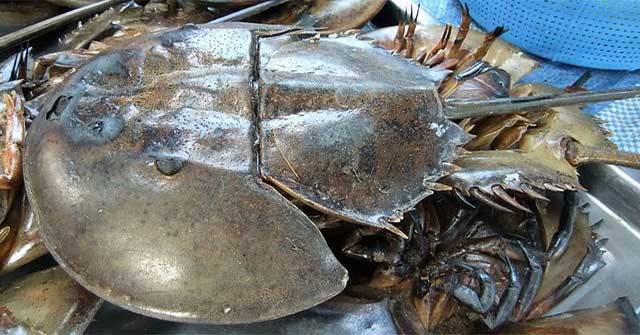
Interesting facts about sea horseshoe crabs
Compared to crabs and shrimps, sea cucumbers are not as expensive seafood, however, the value it brings to medicine is unmatched by any other species.
Browse ScienceInfo articles and explainers related to Sea Cucumber.
16 published items.
Compared to crabs and shrimps, sea cucumbers are not as expensive seafood, however, the value it brings to medicine is unmatched by any other species.
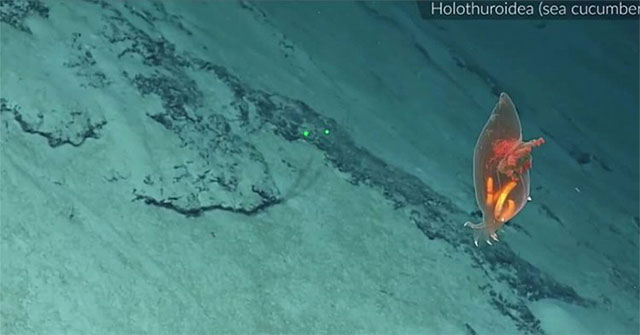
The remotely operated vehicle helped scientists discover a new species of sea cucumber with a transparent body and a unique bright orange gut.
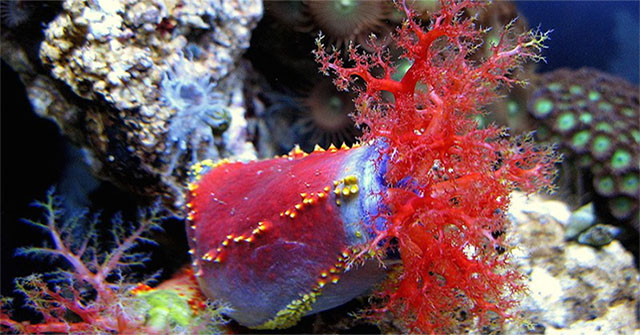
The class Holothuroidea consists of tubular molluscs with a tentacle mouth at one end and an anus at the other. Many species are human food.
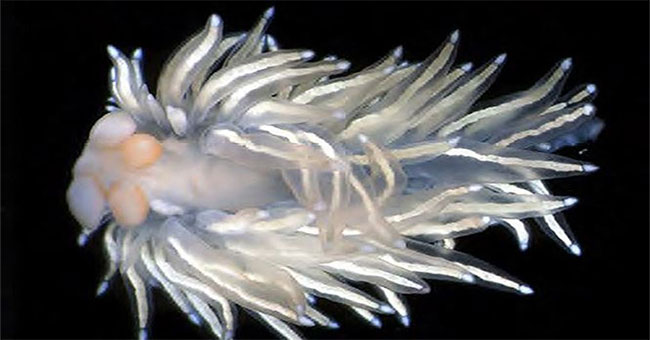
Biologists have discovered a special group of nudibranchs on the sea floor of the northeastern Pacific Ocean.
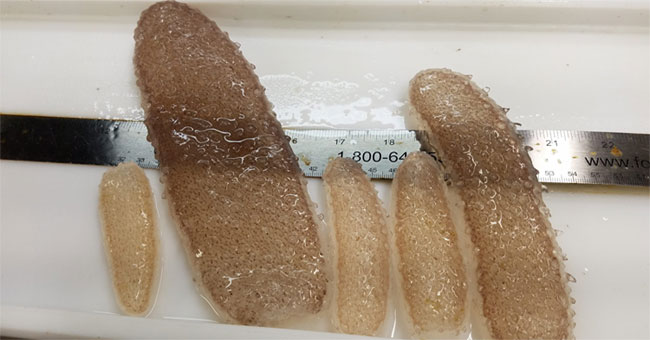
SF Gate newspaper reported that a bizarre animal like from alien appeared and quickly covered Monterey beach in California state (USA).

Giao Long diving ship caught the precious red sea cucumber rarely survey the deepest Mariana trench in the world in the Pacific Ocean.
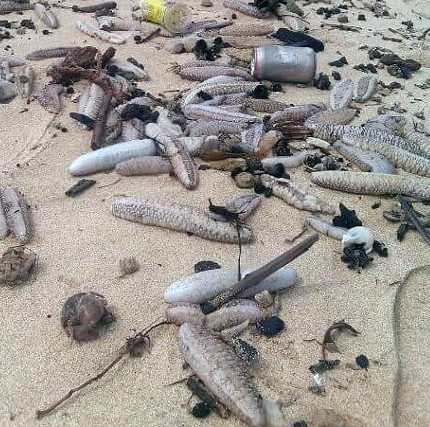
Thousands of sea cucumbers drifted to the coast, causing many people to worry, what is going on at the bottom of the sea? Why is this phenomenon?

Biologists have discovered why the sea slug (scientific name aplysia) always leaves a smudge on the surface where they have crawled.
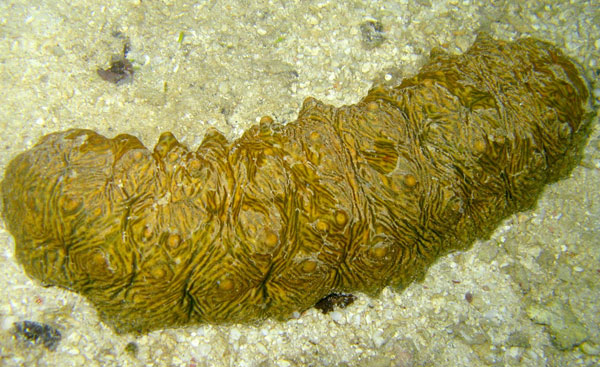
A team of researchers from the University of Malaysian Science (USM) has found a new way to grow sea cucumbers for commercial purposes, contributing to saving this speci…
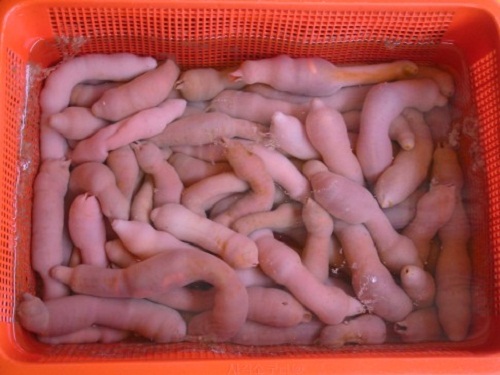
Chinese scientists have successfully studied the method of transforming white sea cucumber genes - Chinese specialties considered to be more expensive than gold-coated k…

Three new structural compounds have been discovered in white sea cucumber species that inhibit human cancer cell lines.
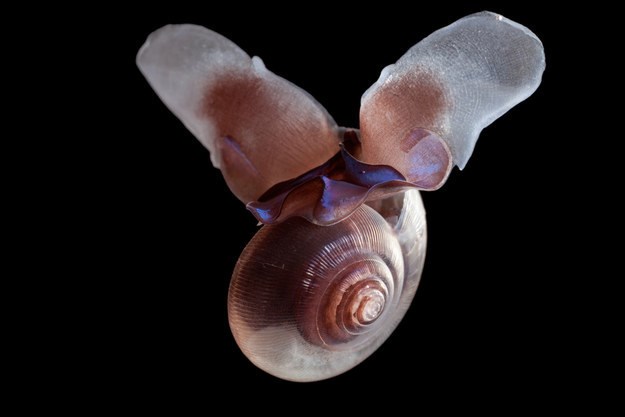
Sea cucumbers throw out the body parts, Galapagos turtles may not eat for a year ... are unbelievable discoveries about the ability of animals.
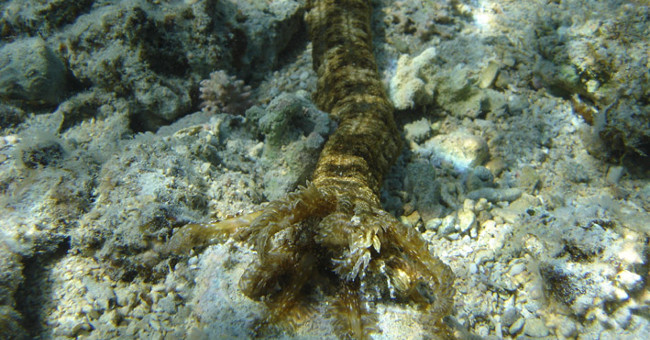
A lucky diver caught the unusual sea cucumber in the waters off Egypt.